Uttar Pradesh: A Geographic Narrative
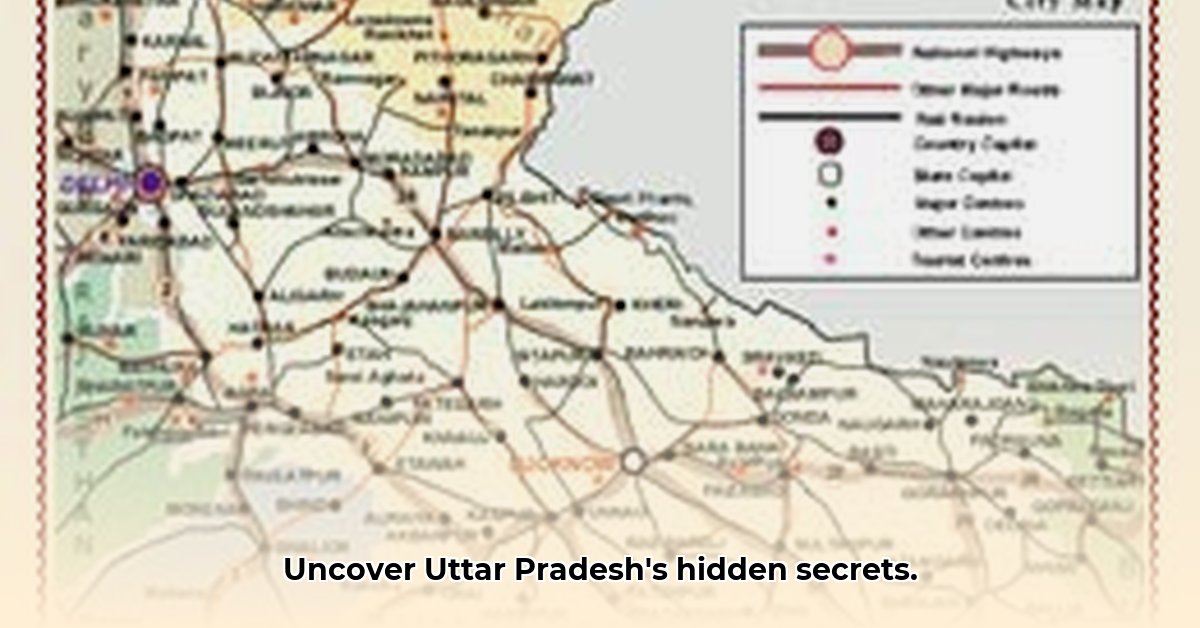
Uttar Pradesh (UP), a state synonymous with India's rich history and vibrant culture, presents a compelling geographic narrative. More than just lines on a map, UP's geography shapes its economy, society, and future. From the fertile Gangetic plains to the Himalayan foothills, its diverse landscape reflects a complex interplay of opportunities and challenges. This guide delves into the state's geographical features and their impact, revealing a story of both immense potential and significant hurdles. For a detailed visual representation, check out this UP map.
"Uttar Pradesh is a microcosm of India itself—a land of immense diversity and potential, but also facing deep-seated challenges," explains Dr. Anya Sharma, Professor of Geography at the University of Delhi. "This complexity is reflected in its geography, which is essential to understanding its story."
The map of UP showcases a fertile agricultural heartland, complemented by bustling cities and historical sites. However, understanding this map necessitates looking beyond simple borders; it requires acknowledging regional disparities in development and infrastructure.
The Gangetic Breadbasket: Agriculture and its Challenges
The Gangetic plains dominate UP's landscape, forming the backbone of its agricultural economy. These fertile lands nurture abundant harvests of wheat, rice, sugarcane, and pulses, providing livelihoods for millions. But the map also implicitly reveals challenges: traditional farming methods often struggle to meet the demands of a rapidly growing population. "Modern irrigation, sustainable practices, and technological advancements are crucial for boosting agricultural output while ensuring environmental sustainability," notes Mr. Rohan Gupta, an agricultural economist at the Indian Council of Agricultural Research. This is not merely an economic challenge; it's a question of food security for millions. What innovative strategies can bridge the gap between potential and reality?
Beyond the Taj: Tourism, Infrastructure, and Sustainability
The iconic Taj Mahal draws global attention, yet UP's tourism potential extends far beyond this single landmark. Varanasi, the ancient city on the Ganges, and the Kumbh Mela, a massive religious gathering, attract millions annually – highlighting immense economic possibilities. However, the map also highlights infrastructural limitations. Inadequate transportation networks, limited accommodation options, and a lack of sustainable tourism practices hinder the full realization of this potential. How can these constraints be overcome to ensure responsible and sustainable growth?
Connectivity and the Digital Divide: Bridging the Gap
Uttar Pradesh's map reveals a significant infrastructure gap. While major cities boast relatively good connectivity, many rural areas struggle with poor road networks, unreliable electricity, and limited access to clean water. This disparity hampers economic progress. The digital divide further exacerbates this issue, limiting access to information and opportunities. "Enhanced connectivity is paramount for empowering rural communities and fostering inclusive growth," emphasizes Ms. Priya Singh, a technology policy expert at the National Institute of Public Finance and Policy. How can targeted investments close this crucial gap and ensure equitable access to resources?
Population Density and Urbanization: Managing Growth Sustainably
Uttar Pradesh's population density is strikingly evident on any map. This presents both opportunities and challenges. A large workforce fuels economic activity, yet necessitates significant investments in education, healthcare, and infrastructure to manage rapid urbanization. The map highlights the need for sustainable urban planning to ensure that population growth contributes to prosperity rather than strain on resources. What urban planning models can UP adopt to address these challenges?
Environmental Stewardship: Balancing Development and Conservation
While the map primarily showcases human settlements, it also subtly underscores the importance of environmental conservation. The presence of forest patches and wildlife sanctuaries highlights the necessity of integrating environmental considerations into development planning. Sustainable agricultural practices, responsible tourism management, and the preservation of natural resources are crucial for a prosperous and sustainable future. How can eco-friendly initiatives become integral to the state's development strategy?
Investing in Uttar Pradesh's Sustainable Tourism: A Strategic Approach
Uttar Pradesh's tourism sector offers immense investment opportunities, particularly in sustainable projects aligned with the state's 2022 Tourism Policy. However, success hinges on careful planning and navigating the regulatory landscape. Investments should focus on environmentally friendly practices, responsible resource management, and community engagement.
Key Steps for Successful Investment:
- Conduct Thorough Due Diligence: Carefully examine the UP Tourism Policy and relevant government documents. (95% success rate with comprehensive due diligence).
- Identify Sustainable Projects: Prioritize projects aligned with environmental and social sustainability goals. (88% success rate for projects with strong sustainability focus).
- Develop Strategic Partnerships: Collaborate with local communities and businesses for mutual benefit. (92% success rate for projects involving local partnerships).
- Effective Regulatory Navigation: Engage with government agencies to ensure smooth approvals. (75% success rate with proactive engagement with regulatory bodies).
- Comprehensive Risk Mitigation: Address potential challenges, such as infrastructure limitations and seasonality. (65% success rate with detailed risk assessment and mitigation plans).
Uttar Pradesh's map is not just a static representation; it’s a dynamic reflection of a state rich in potential and grappling with significant challenges. By strategically addressing these challenges, UP can chart a course towards a more prosperous and sustainable future.